

HEADLINES
This week, at a glance.
Inside the world’s longest horse race
Monterey Car Week: What you’re missing
West LA’s first private golf club in 50 years
Why women’s cycling is worth the watch
Brunello Cucinelli is all in on AI
Introducing the Aston Martin Valen
The collapse of Harvey Nichols
Can Panerai save itself?
You can buy this Greek island for $40 million
The death of the airline lounge
Emirates wants to make Milan a travel hub
Brach and the art of the neighbourhood hotel
London’s fancy new farm shop
What Sweden knows about saunas
How Technogym conquered the luxury gym
Knightsbridge’s new women-only wellness club

The Four Freedoms is presented by Ramp – the finance platform that takes the admin out of company spend, so ambitious businesses can get on with the work itself.
TIME
What to do: culture, events, and experiences worth your time.
Inside the world’s longest horse race
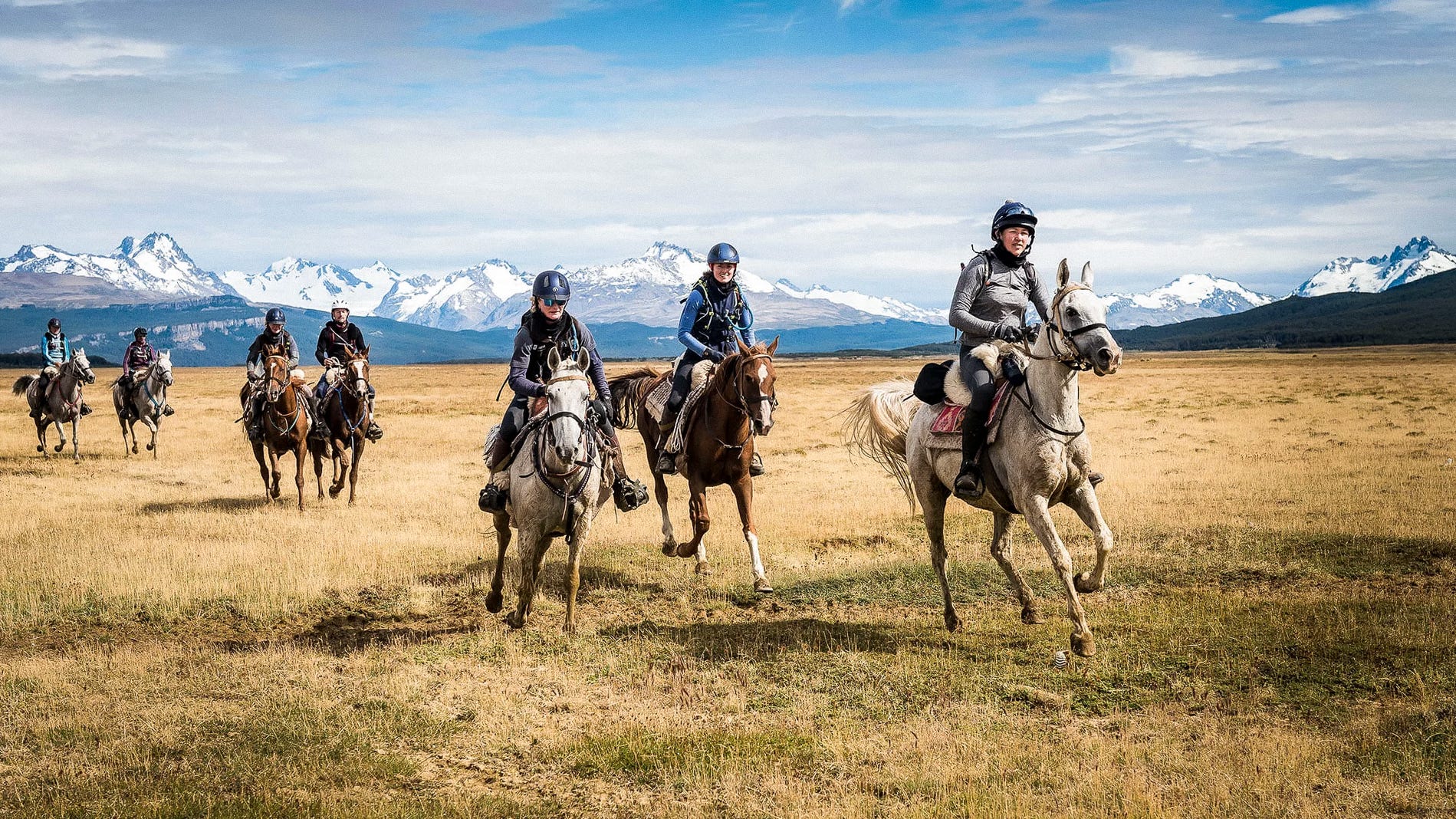
The Mongol Derby wrapped on Friday, the last of 43 riders crossing the finish flags after 10 days and 1,000km of Mongolian steppe. It’s the longest horse race in the world, and by most accounts the toughest, retracing the horse messenger network Genghis Khan established in 1224, a relay system that once carried news across an empire faster than anything else on earth. The modern version has kept the mechanics intact: riders navigate alone with a GPS, swap onto a fresh, semi-wild Mongolian horse at 28 stations kept by nomadic herding families, and cover roughly 35km per leg across terrain with no course markings, no crowds and no prize money to speak of.
The horses are the great equaliser, several hundred of them supplied by local herders and drawn by lottery, meaning a rider’s fate turns as much on the temperament of the animal underneath them as on any amount of preparation. Vets check every horse at every station, riding hours are strictly capped each day, and riders sleep where the steppe allows, often in the gers of the host families, which is how an endurance race doubles as the most immersive tour of nomadic Mongolia money can buy.
Since the first edition in 2009, finishing has mattered more than winning, and the organisers say as much themselves. Places are heavily vetted and heavily oversubscribed, with applications through The Equestrianists at equestrianists.com.
Monterey Car Week: What you’re missing
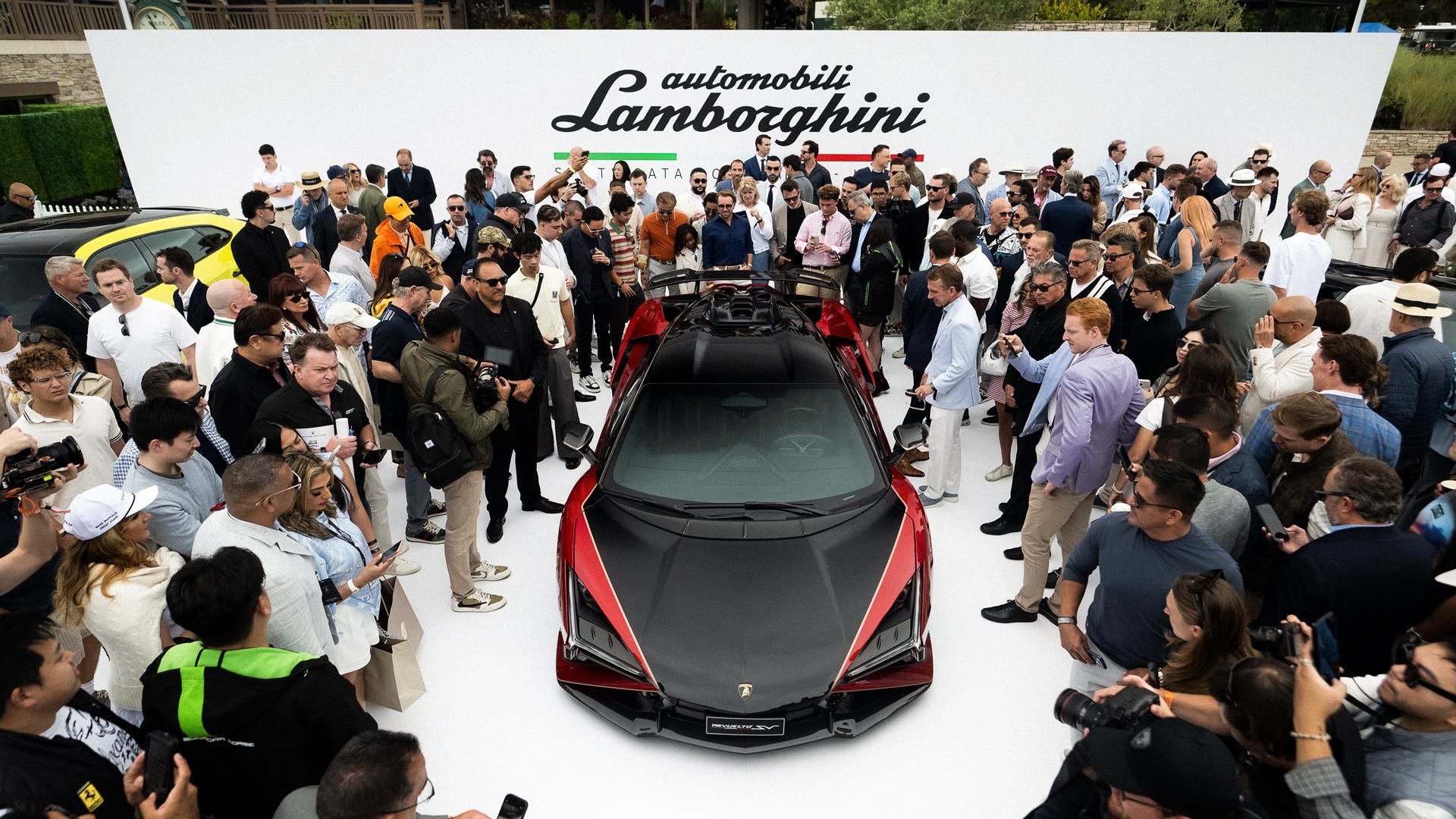
Monterey Car Week began in 1950, when 13 cars lined up on a Pebble Beach fairway for a concours held as a sideshow to a sports car race through the Del Monte Forest. This weekend, the 75th edition of that concours closes a week that drew roughly 100,000 people to more than 35 gatherings across the peninsula. The racing moved to Laguna Seca decades ago, where some 550 historic machines still get driven in anger each August, and everything else grew up around those two anchors: auctions, marque reunions, garden parties, and impromptu roadside gatherings where a Miura idling at a Carmel stop sign draws a bigger crowd than most ticketed events.
Somewhere along the way, the week outgrew the industry entirely and became car culture’s annual centre of gravity, closer in spirit to a fashion week than a trade show. Manufacturers time their debuts to it, the auction results set the collector market’s temperature for the year, and the concours lawn remains the hardest invitation in the automotive world, yet none of that is really why people come. For one week, the world’s rarest cars are out on public roads, in the fog, at petrol stations, driven by owners who spend the other 51 weeks hiding them, and anyone standing on a Carmel street corner sees machinery that otherwise lives behind glass. This year’s edition leaned into the occasion, with Ferrari as featured marque for the 75th anniversary and the largest gathering of Lamborghini Miuras ever assembled, marking that car’s 60th birthday.
West LA’s first private golf club in 50 years
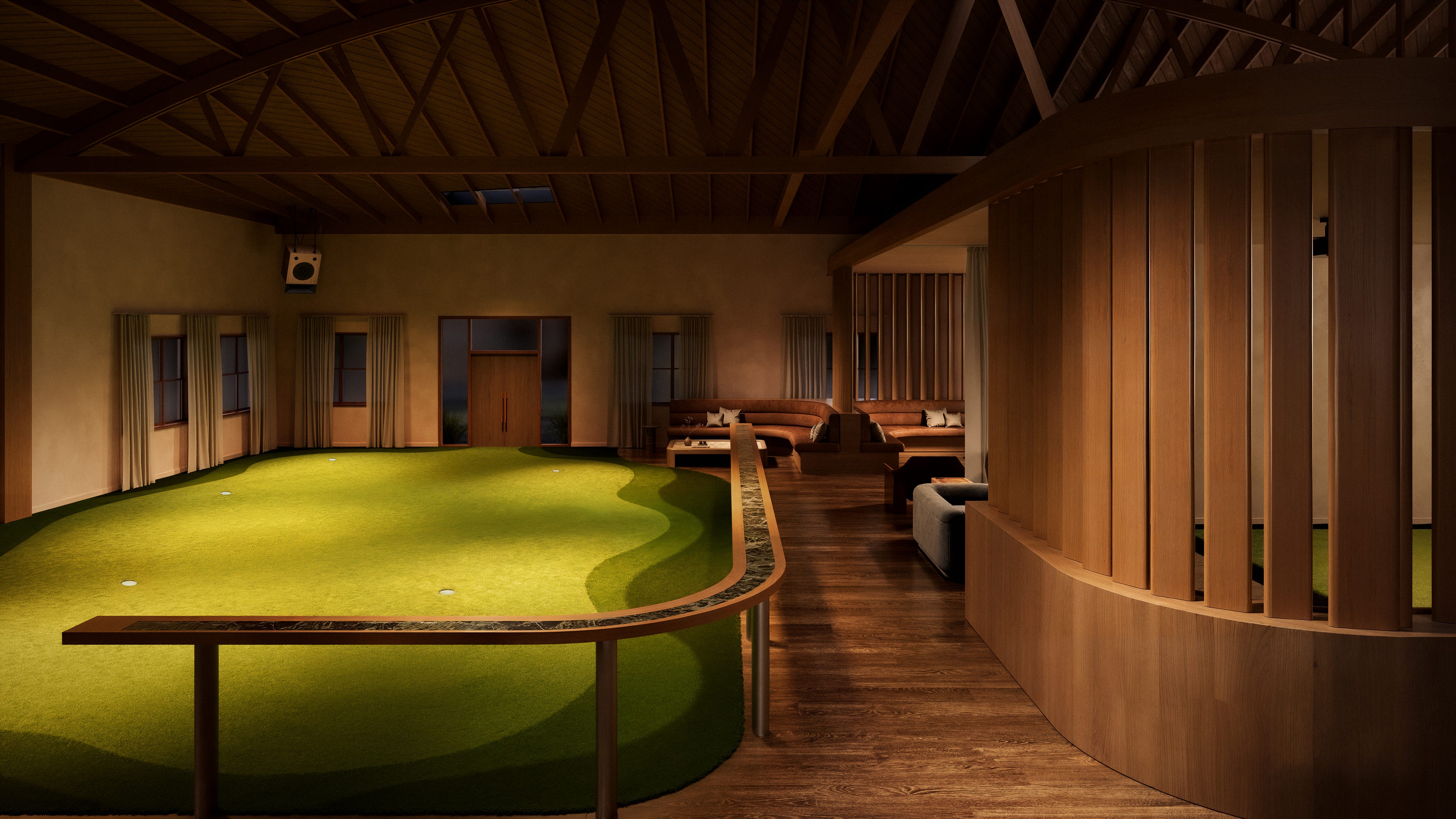
A new private golf club is coming to West Los Angeles, and its founders claim it’s the Westside’s first in more than 50 years. Stableford, opening late this year on the Brentwood–Santa Monica corridor, arrives without a course: the 13,000 sq ft clubhouse is built instead around 8 TrackMan simulator lounges styled like private dining rooms, one of the largest indoor putting greens in the state, and on-site coaching from Lucas Wald, whose clients span entertainment, sport and business. The founders’ bet is that golf’s real place in a member’s week sits between rounds, in early mornings, weekday evenings and drinks after, none of which a traditional club ever captured.
Everything around the simulators belongs to a members club that happens to hold clubs, from recovery suites with cold plunges, Finnish saunas and red-light therapy, to a cocktail programme by one of Employees Only’s principal bartenders, to daily operations under Corey Bross, formerly of Bel Air Country Club. Membership caps in the low hundreds and moves by invitation, with interest registered at stableford.com.
Why women’s cycling is worth the watch
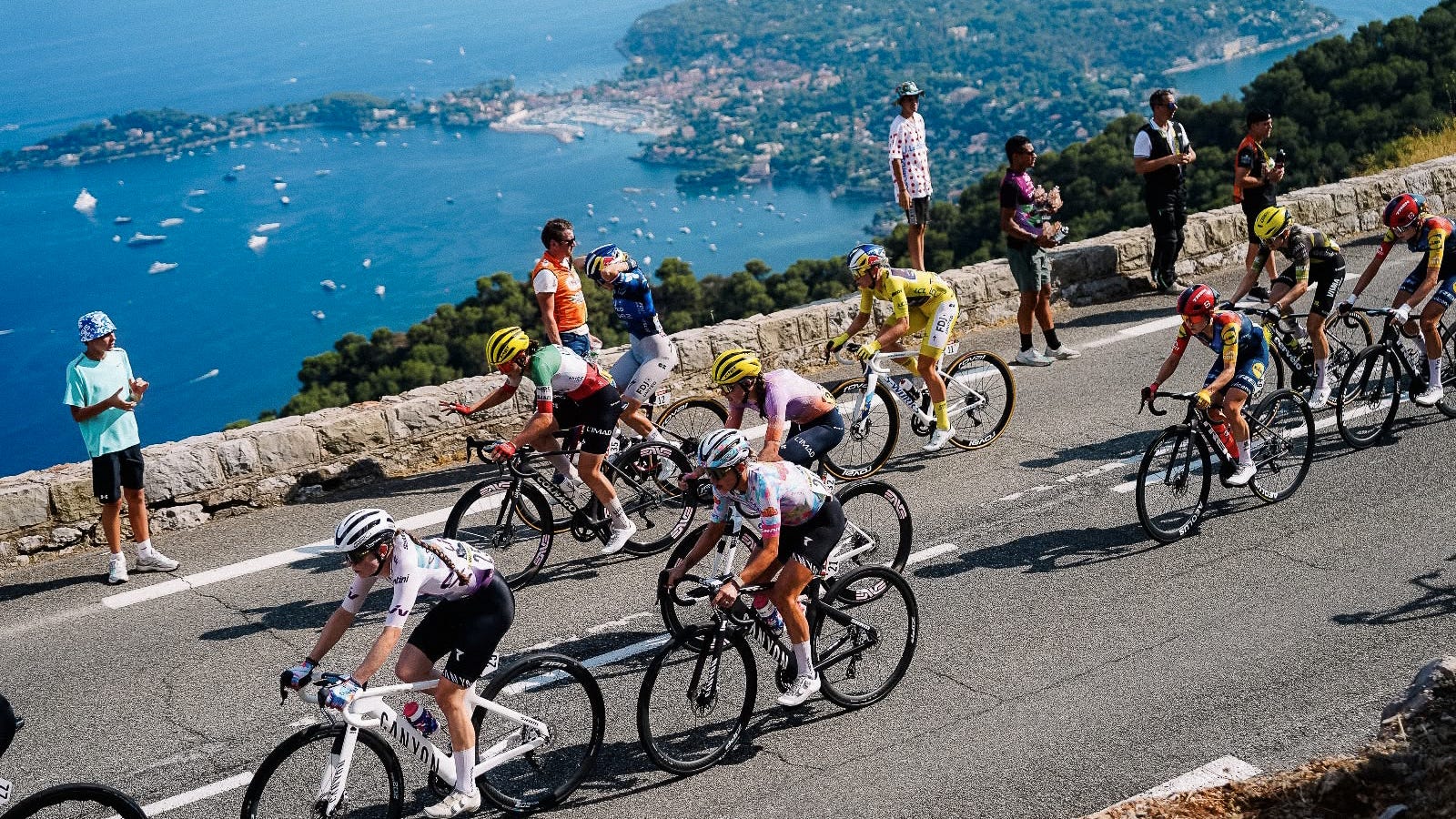
“Watch the Femmes” is the Tour de France Femmes’ own slogan, less a tagline than an instruction, and this year’s edition made obeying it easy. The race rolled out from Lausanne and finished 8 days later on the Côte d’Azur, crossing Mont Ventoux along the way, where Kasia Niewiadoma-Phinney won the queen stage, and Marlen Reusser’s grip on yellow came apart on the mountain’s bare upper slopes. Demi Vollering won 3 stages and still didn’t take the jersey until the penultimate day, holding it into Nice to become the first rider to win the modern race twice, and the deciding gaps stayed narrow enough that the podium was live until the final weekend.
The spectacle gives up nothing to the men’s race, and neither does the hardware, since these are the same teams, the same team-issue bikes and the same sponsor arms race, pointed at the same mountains. What the Femmes still has, which its July counterpart lost years ago, is approachability, with roadside spots on a summit finish that don’t require camping out days ahead, and riders who’ll still stop at the team bus. Cycling remains the rare elite sport with no ticket, no gate and no hospitality mark-up between the public and the athletes, and the mountain stages of this race have become one of women's sport's great pilgrimages.
Next summer is the one to plan around, as the 2027 race opens with a 3-day Grand Départ in Great Britain, its first start outside mainland Europe, including 2 road stages and a time trial in London, while the men’s Tour leaves from Edinburgh. Both Tours starting in Britain in the same summer has never happened, and the full route lands at October’s presentation in Paris.
FINANCIAL
What to buy: product launches and material obsessions.
Brunello Cucinelli is all in on AI
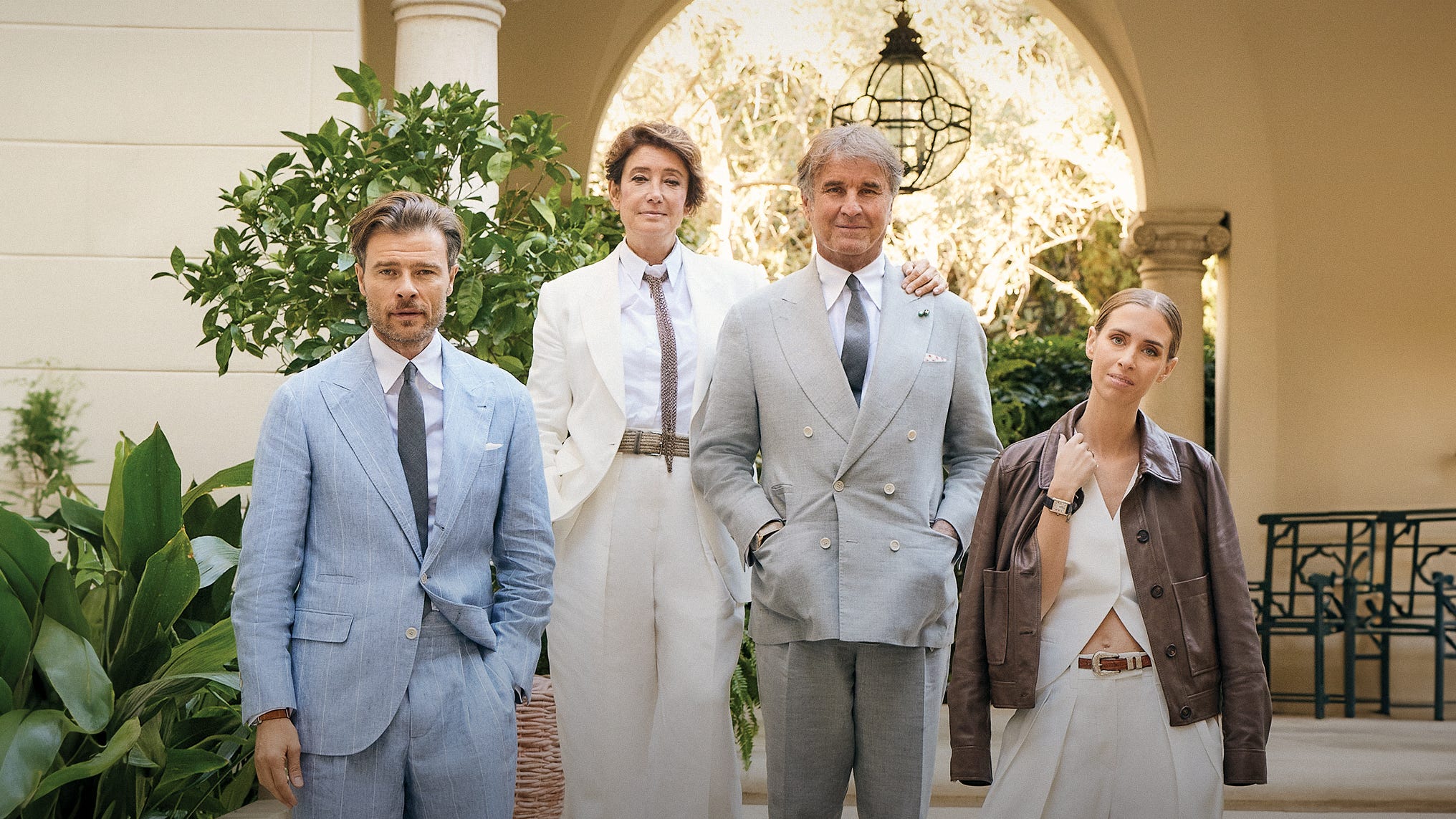
Brunello Cucinelli has spent 3 years quietly building an AI company, and Salesforce just announced an investment in it. Solomei AI, founded by the designer in his Umbrian hamlet, recently replaced the brand’s website with Callimacus, a platform that works nothing like a shop: there are no pages, menus or categories, just AI agents reading a visitor’s intent and assembling the experience around it in real time, roughly what a good SA does in store, done by software. The name honours Callimachus, the librarian of Alexandria, and the project grew out of a collaboration between Cucinelli, Marc Benioff and what the founder describes as mathematicians, philosophers and humanists.
Salesforce’s stake, undisclosed in size, will push the platform to other clients across Europe and North America, which makes the king of cashmere the unlikely chairman of an AI company headquartered in a medieval village, and quite possibly the only one whose founding team included philosophers on purpose. The experience is live at brunellocucinelli.com, and you’re free to judge for yourself whether pageless shopping is the future, or, perhaps, just a beautiful Umbrian eccentricity. The wider deal still needs clearance under Italy’s “golden power” rules on strategic technology, so the paperwork isn’t quite finished.
Introducing the Aston Martin Valen

Aston Martin revealed the Valen at The Quail on Friday, and the headline claim holds up: 850PS from its twin-turbocharged 5.2-litre V12 makes this the most powerful front-engined production car ever built, by anyone. The body is entirely carbon fibre, 110kg has been shed from the platform that underpins the Vanquish, and the result reaches 60mph in 3.0 seconds on its way to a limited 214mph. Drive modes come in Sport, Sport+ and Track, nothing softer, and the name derives from the Latin valens, meaning strong.
As the latest of the Q division’s limited specials, after the Valour and the Valiant, its commercial fate is easy to predict, since both predecessors sold out almost immediately. Aston Martin will build 150 cars, all custom commissions through Q, reportedly from around $2 million. A bit of a shame so many launches these days are highly limited, but hey, at least they’re exciting.
The collapse of Harvey Nichols
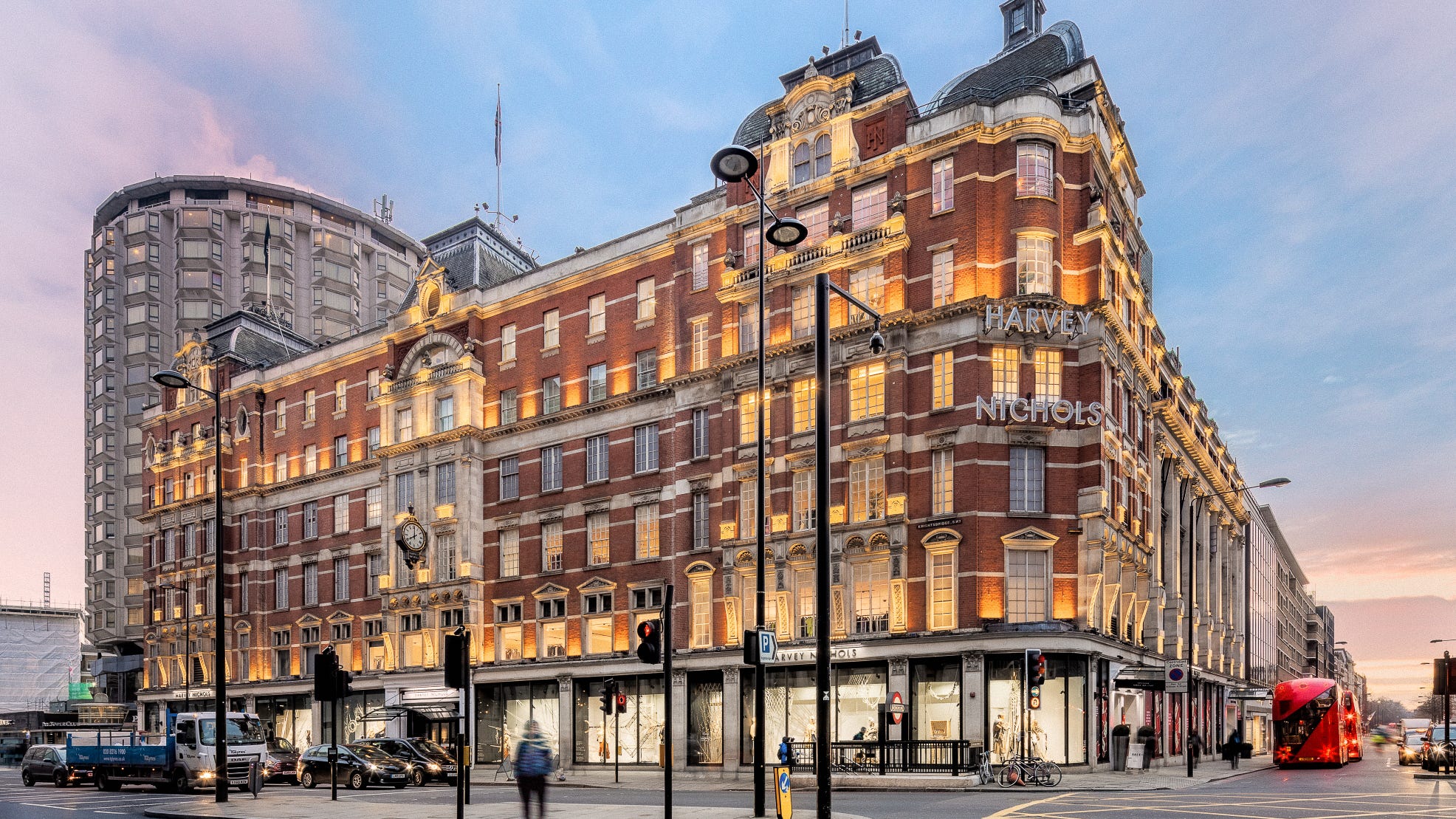
Harvey Nichols entered administration this week and exited almost immediately, sold to Frasers Group in a pre-pack deal confirmed on Thursday for an undisclosed sum. The sale ends 35 years under Sir Dickson Poon, who bought the store from Burton Group in 1991 for £53.6m (about $68m), and it lands roughly where Mike Ashley predicted when he told the Financial Times the business was in a “death spiral”. Frasers beat Next to the asset, with around 1,200 jobs hanging in the balance at a retailer trading since 1831.
Beyond the familiar decline of the department store, Harvey Nichols was wounded by policy. Britain scrapped VAT-free shopping for tourists in January 2021, leaving London the only major European luxury capital where visitors can’t reclaim tax on purchases, a permanent 20% price disadvantage against Paris that proved close to fatal for a store built on precisely that shopper. Retailers have lobbied the Treasury for 5 years to reverse it, and Harvey Nichols is now the argument’s largest exhibit.
Under Frasers, the brand joins a luxury stable alongside Flannels, and the working assumption among analysts is that the Knightsbridge flagship survives under new ownership while the weaker regional stores face harder conversations. The stores remain open and trading through the transition.
Can Panerai save itself?
Few brands owned a decade the way Panerai owned the 2000s, when the oversized Luminor, born from 1950s Italian Navy commissions, became the default statement watch of a certain kind of successful man. The fashion for 44mm slabs of steel eventually receded, and the brand has spent the years since caught between its military archive and a market that moved on to smaller, subtler watches.
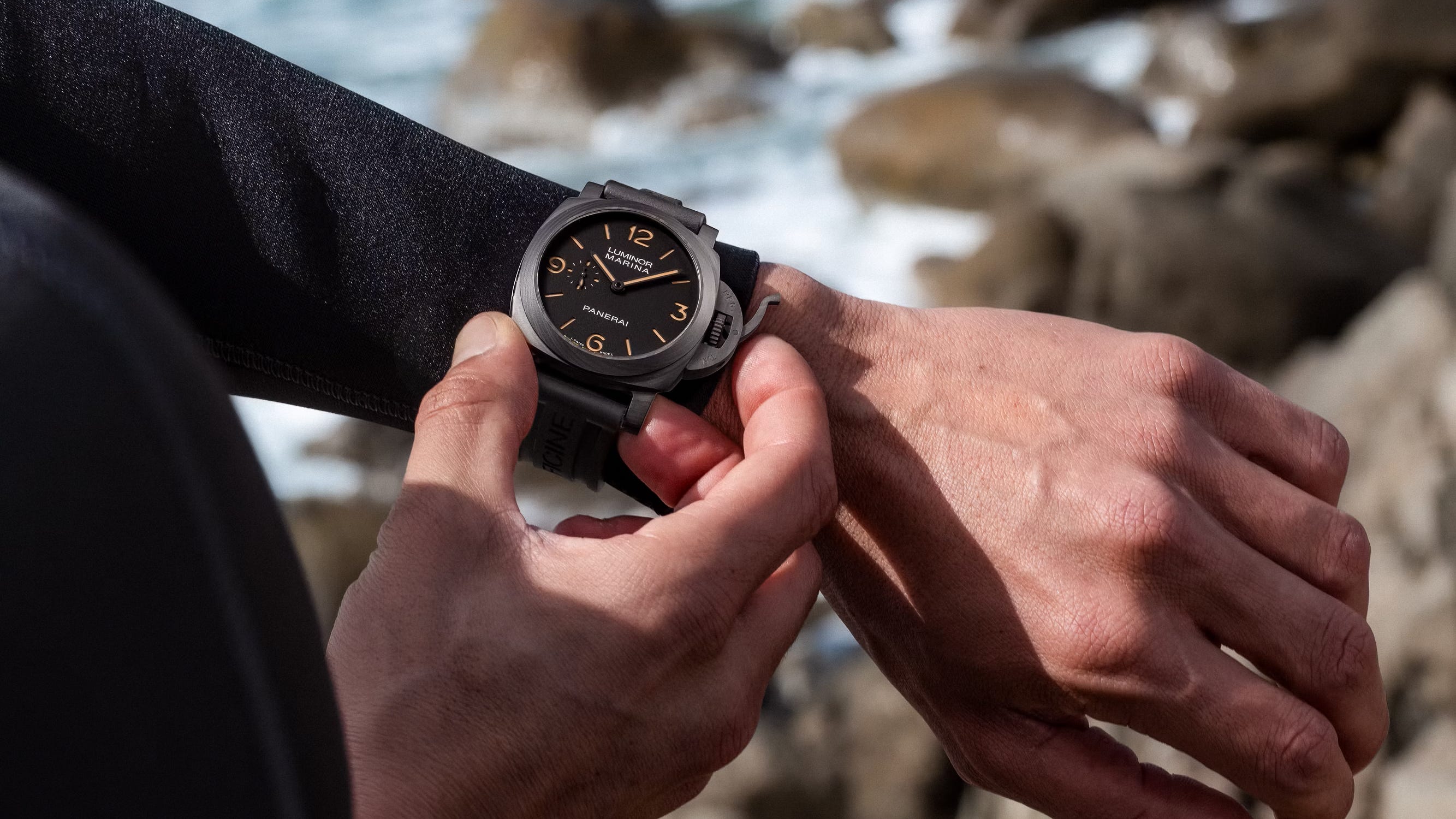
Its new Luminor Marina PAM01707 mines that archive with modern materials. The dial is pure 1960s: no date, small seconds at 9 o’clock, beige lume mimicking the warm patina of aged tritium, while the 44mm case is Carbotech, Panerai’s carbon composite, 64% lighter than titanium and 80% lighter than steel by the brand’s numbers, bringing the whole watch in at around 100g with the in-house P.9010 and its 3-day reserve inside. It's priced at $15,600, a figure we'd happily shrink by 25%, along with the case.
LOCATION
Where to go: travel and mobility for the globally curious.
You can buy this Greek island for $40 million
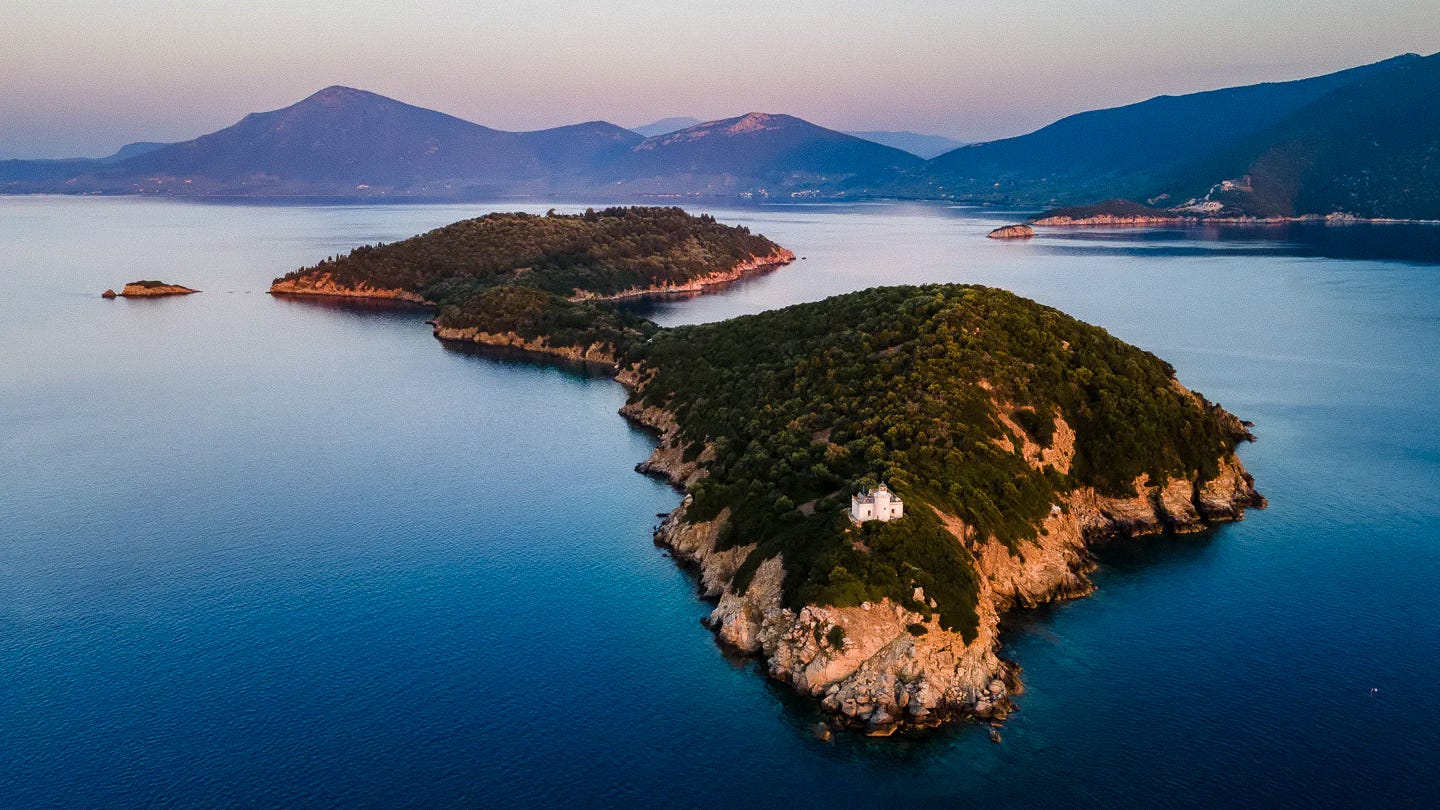
Argyronisos, a 60-acre private island in the northern Aegean, has come to market at €35m (about $40m) after more than 6 decades in the same family. The name translates to Silver Island, after the colour the olive leaves turn when the wind moves through them, and since 1961 the estate has been kept as a family home, an organic olive farm and, more recently, a small wellness retreat that hosted entrepreneurs and artists paying for the scarcest amenity in the Mediterranean, total privacy. The island sits in the Gulf of Pteleos off the northern tip of Evia, sheltered from the harder Aegean winds, with the Sporades on the doorstep and Athens about 50 minutes away by helicopter to the island’s own pad.
Greece counts thousands of islands, and buying one is less exotic than it sounds, since at any given moment a handful sit openly on the market. Nearly all of them, though, are bare rock, publicly owned or wrapped in the environmental and coastal planning rules that make building on virgin Greek land a decade-long proposition, which is what separates this listing: 11 preserved stone buildings totalling some 10,000 sq ft, among them a 2-storey villa, guesthouses and a chapel, all off-grid on solar with a backup generator and no cable to the mainland.
What it becomes next is the open question: whether a private residence, a continuation of the retreat, or the seed of something bigger in hospitality, the last of which would hang on planning approvals that Greece doesn’t hand out lightly. A sum this size also clears the Golden Visa threshold many times over, so the island effectively comes with Greek residency thrown in, the way lesser properties might throw in a parking space. The full listing is available at Engel & Völkers.
The death of the airline lounge
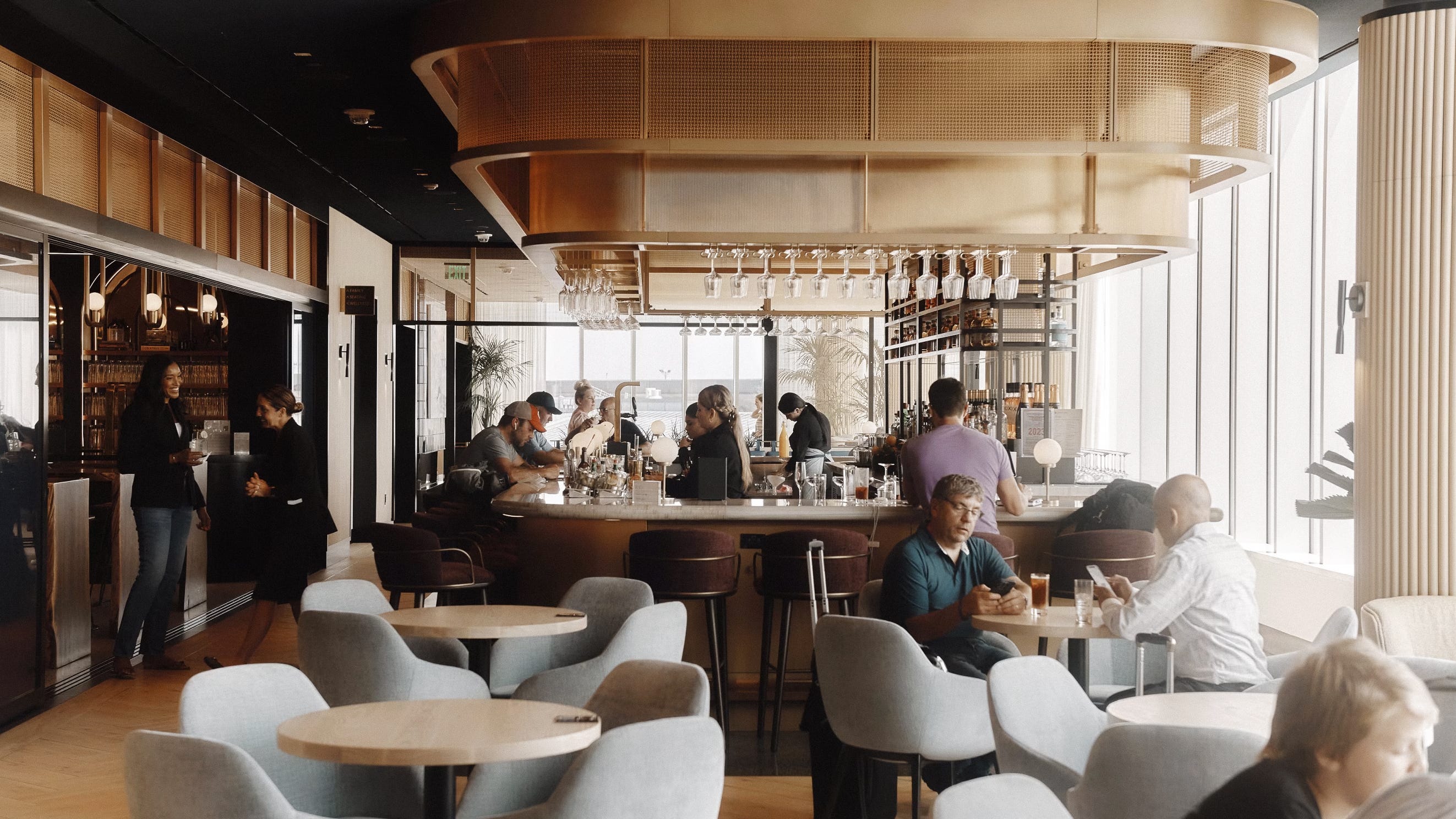
There was a brief golden age, roughly the last decade, when a single Priority Pass opened more than a thousand lounge doors worldwide, and it barely mattered which bank issued it. That era is closing. As of yesterday, Chase’s Sapphire Lounges no longer accept it, ending the annual free visit and the $75 walk-in for anyone carrying the pass through another issuer, and the reasoning is the one Amex has applied to its Centurion Lounges from day one: the rooms exist to sell the card, so the card is what opens the door.
The lounge itself has become the prize in banking's fight for premium customers, which is why Revolut, a company that built its fortune on nobody ever needing to visit a bank in person, announced its first physical lounge this week, due at Copenhagen Airport in 2027 with access tied to its top subscription tiers. Every player wants its own guarded room now, because a metal card or a cashback rate gets copied within a quarter, and a good space airside cannot be. The squeeze lands on the shared networks, namely Priority Pass, which is losing its best lounges one issuer at a time and increasingly offers only the uninspired second tier. Anyone paying for that membership outright, or picking a card because of it, holds a product worth less than it was a month ago.
Emirates wants to make Milan a travel hub
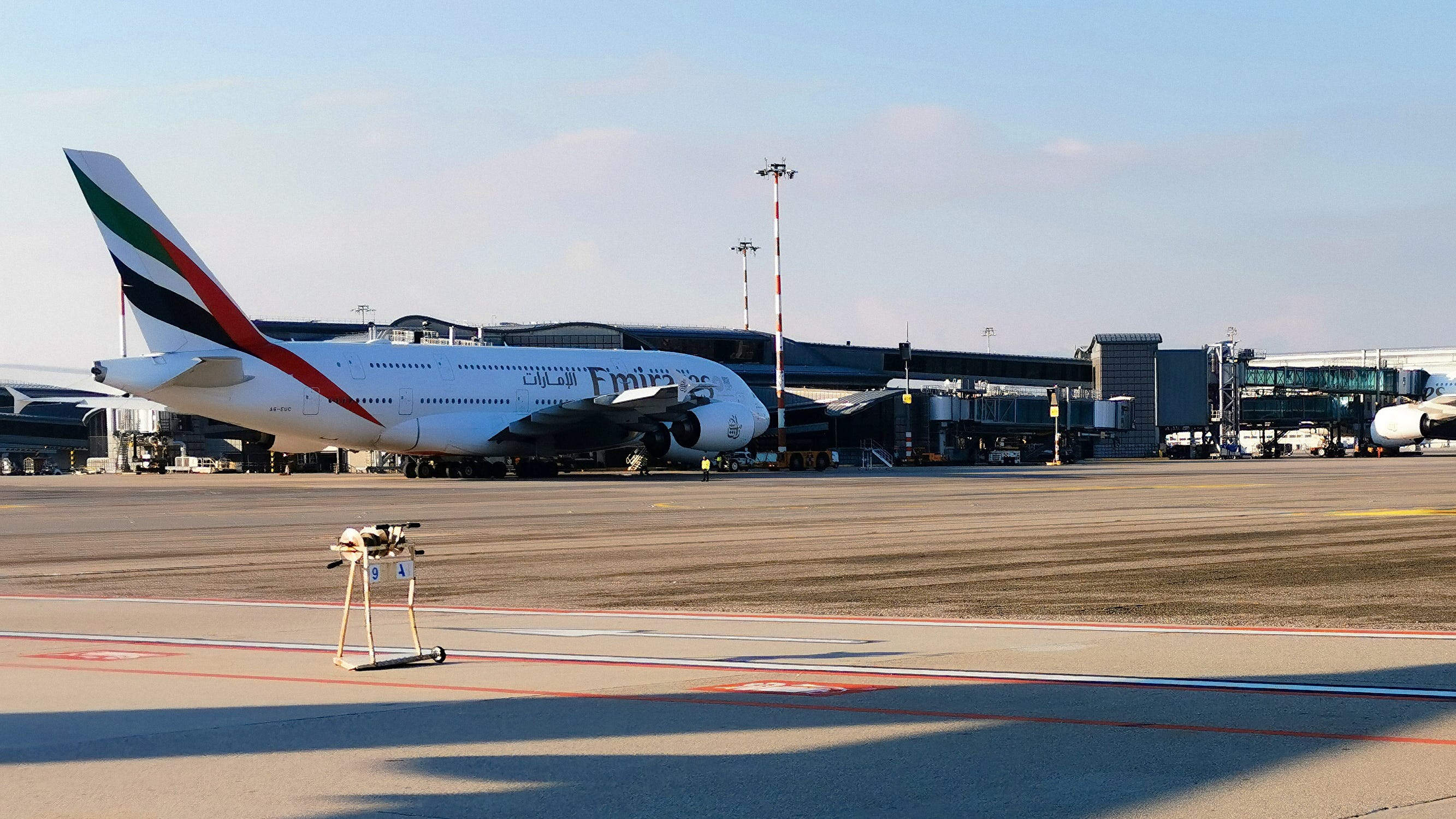
Emirates is close to winning approval for a Milan–Lima route, a flight that touches Dubai at no point, with Corriere della Sera reporting Italian government sign-off could come as early as October and sources pointing to Los Angeles, São Paulo, Santiago and Mexico City as further candidates from Malpensa. These are fifth-freedom rights, which let an airline sell seats between 2 foreign countries on a service that starts or ends at home, and Emirates already operates Europe’s most famous example, the Dubai–Milan–New York service it has flown since 2013, latterly on the A380, showers included.
Lima sits beyond nonstop range from Dubai, which makes Milan the natural bridge, and northern Italy’s wealthy catchment has been underserved on long-haul since Alitalia’s decline, a gap Lufthansa-owned ITA Airways hasn’t closed, so every route Emirates adds from Malpensa doubles as a challenge on ITA’s home soil. Emirates says it has no immediate plans to activate the flights, so this one belongs in the 2027 diary at the earliest.
Brach and the art of the neighbourhood hotel
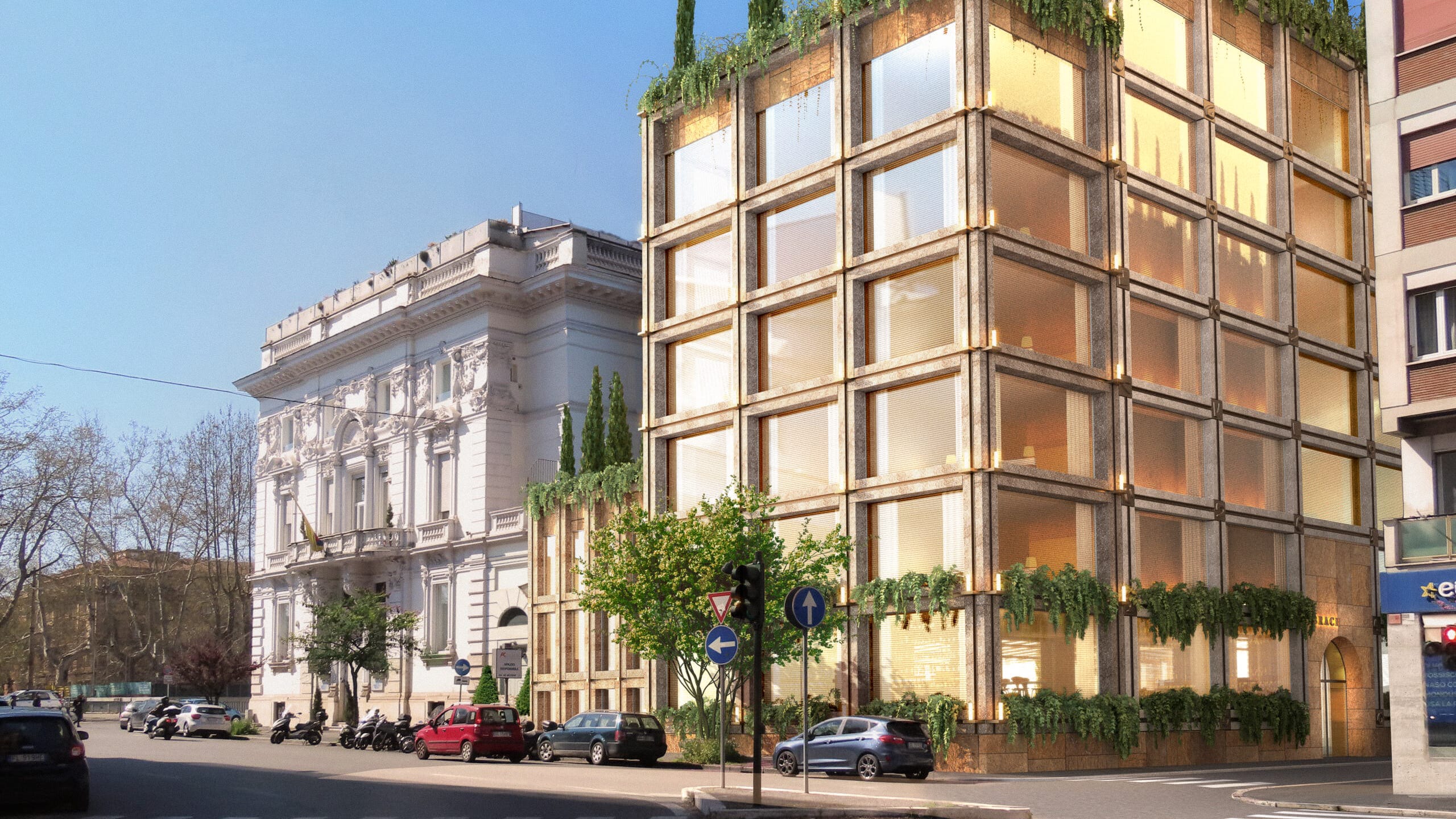
Brach builds hotels for the neighbourhoods they sit in, as much for locals as for guests. That claim survives contact with reality, as anyone who’s had a Tuesday aperitivo at Brach Paris, surrounded almost entirely by Parisians, can confirm. The brand belongs to Evok Collection, owned by Pierre Bastid with the Courtin-Clarins family’s investment fund as a strategic shareholder, which develops slowly across 2 marques, the vibrant Brach and the more contemplative Nolinski, in Paris, Venice and Madrid, with Gassin on the Gulf of Saint-Tropez next on the slate. It’s family-money hospitality, built to hold, and the properties feel like it.
Rome was recently announced as Brach’s third address, a landmark former school 100 metres from Piazza del Popolo, reimagined under Philippe Starck’s artistic direction, as in Paris and Madrid, into 60 rooms and suites with terraces, a rooftop, and a sport and wellness club with a 25-metre pool. The hotel opens in March 2027, and reservations are already open through evokcollection.com.
HEALTH
How to live: wellness, performance, and the pursuit of longevity.
London’s fancy new farm shop

London Epicerie has just opened on Ebury Street in Belgravia, under the tagline “A Place for Better Food”, and it’s probably the capital’s prettiest place to do a weekly shop. Founders Jared Wybrow and Raissa van Dijk spent over a decade at London Cheesemongers building direct relationships with producers across Britain and Europe, and the shop is essentially that address book turned into a grocery. The wine programme is overseen by Daniel Garcia Thomas, formerly head sommelier at Brat, and nutritional therapist Edmund Swinburn is shaping the curation.
The premium grocer is booming on both sides of the Atlantic, with the likes of Miami’s Nude and NYC’s Meadow Lane acting as status venues where the basket doubles as an accessory. The cynical take on the whole category is pure LARP, wellness as costume, provenance as content for the grid – and some of the photoshoot-esque behaviour at these locations certainly supports the theory. That said, the performance and substance aren’t really in tension: the customer playing the lifestyle still (hopefully) eats the vegetables, and at examples like London Epicerie, the sourcing sounds positively rigorous. Belgravia looks to have got a good one then, and to be fair, interior design this good probably deserves a photoshoot.
What Sweden knows about saunas
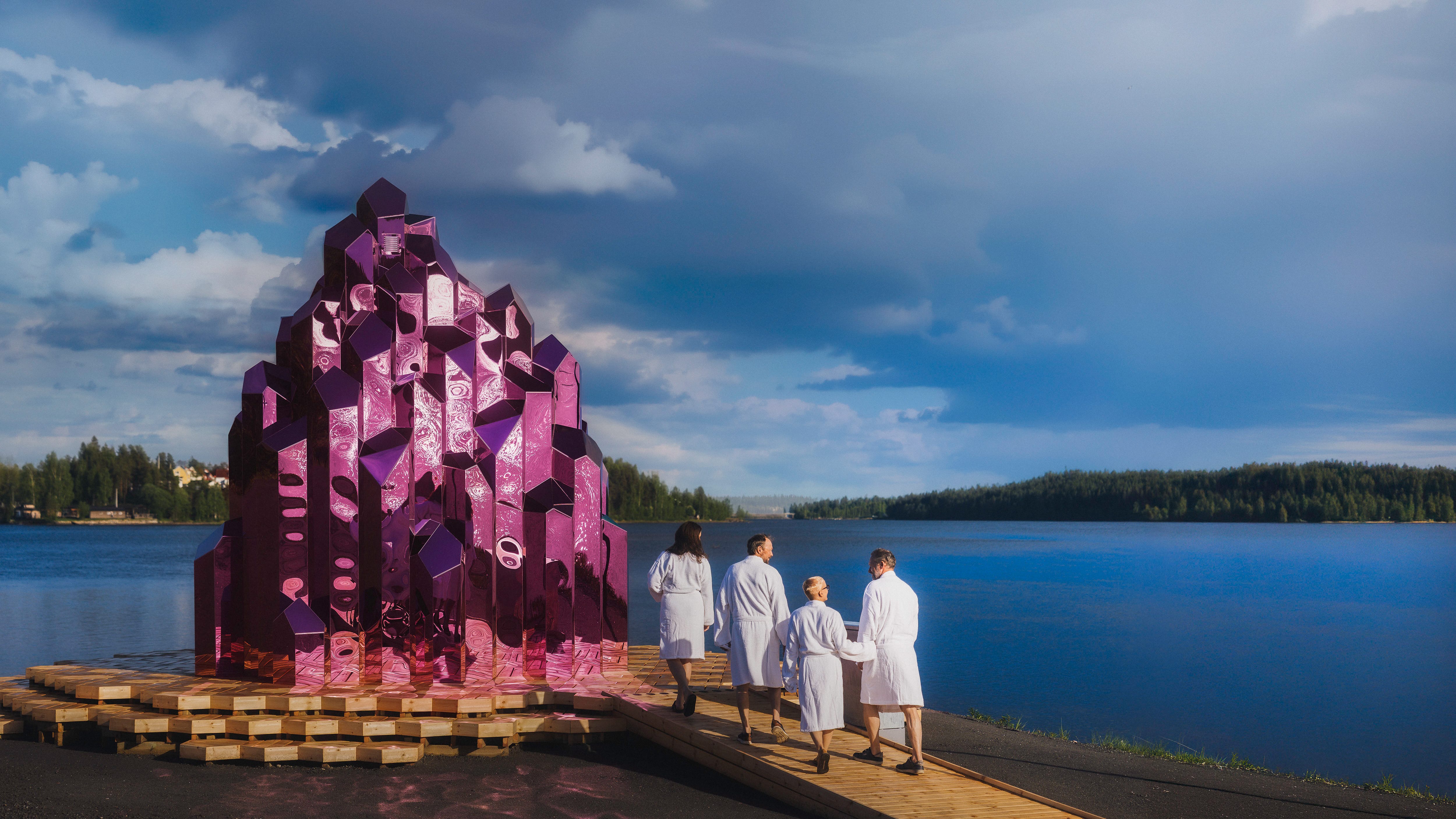
A pink crystal has risen from one of Sweden’s most polluted former industrial sites, and it’s a sauna. Lithium Crystal Sauna, by Stockholm artist duo Bigert & Bergström, is the first permanent structure of WasteLand Climate Action Park in Skellefteå, built on a former pulp works that needed 17 years of soil remediation; its roughly 280 facets of pink mirrored steel reflect the river, the forest, and a landscape remade. Inside, a wood-lined chamber seats 12 around a battery-powered heater packed with 260kg of olivine stones.
In glorious Scandi fashion, Sweden treats heat therapy as public infrastructure and keeps commissioning serious artists to build it: Bigert & Bergström also made the golden Solar Egg sauna for the mining town of Kiruna back in 2017. Most of the world files the sauna under private amenity, a room in a basement or a membership tier, and a 12-seat public crystal on a reclaimed riverbank is a better piece of civic wellness than most of what currently gets sold to cities in masterplan form.
How Technogym conquered the luxury gym
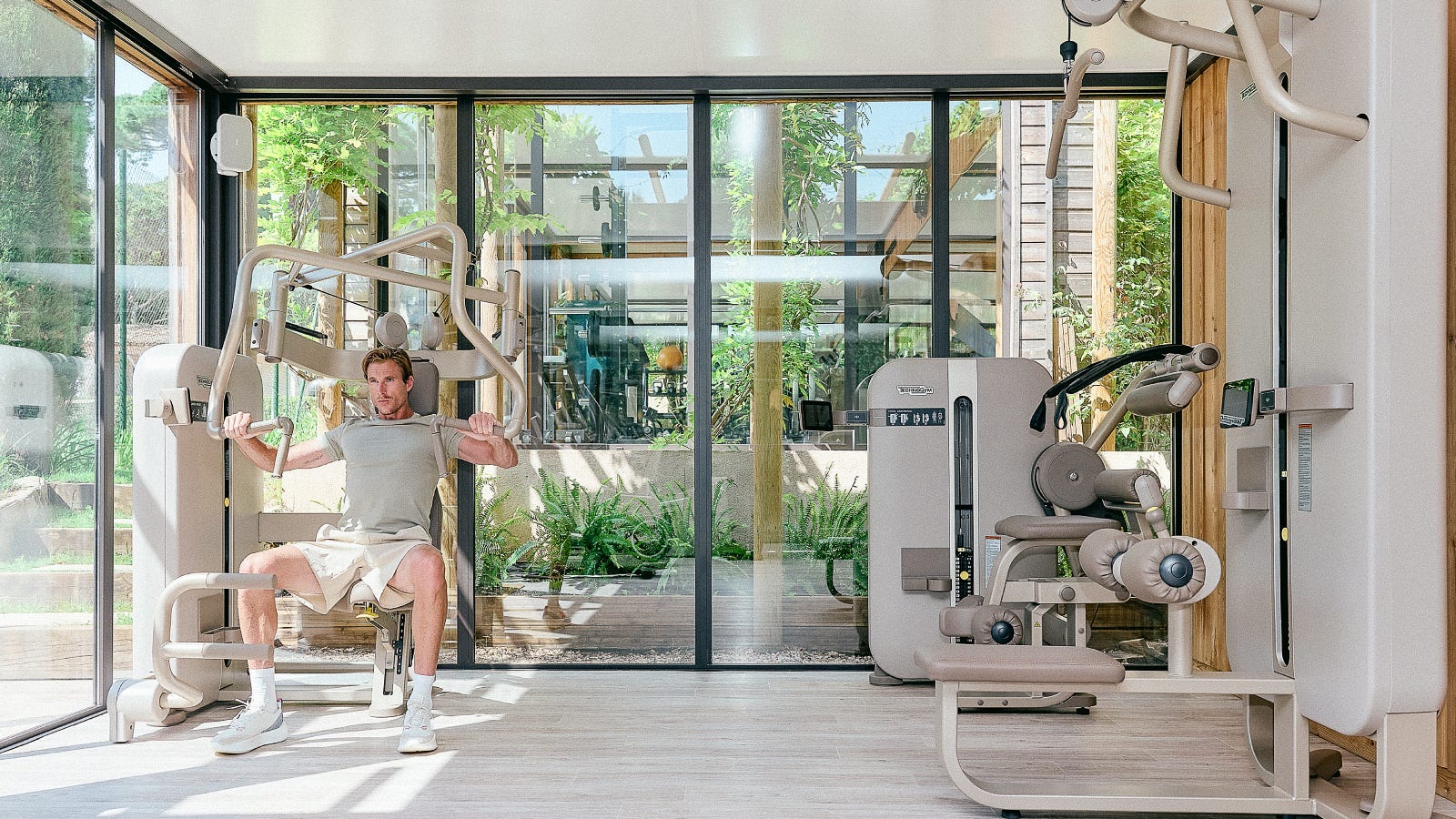
Walk into the gym of nearly any truly great hotel on earth, and the equipment carries the same name: Technogym. The Italian maker has a hold on luxury hospitality that borders on monopoly, built over 4 decades from a single machine that 22-year-old Nerio Alessandri assembled in his garage in Cesena in 1983. The company is now official supplier to its 10th consecutive Olympic Games, from Sydney 2000 through Milano Cortina 2026, counts 70 million people training on its equipment daily across more than 100 countries, and trademarked the word “wellness” in combination long before wellness became an industry. It won the hotel floor on 2 fronts, with industrial design elegant enough for a grande dame’s interiors and connected software a property can plug into as easily as a spa booking system.
The newest installation might be the most telling, because Hotel du Cap-Eden-Roc, by many measures the most storied luxury hotel in the world, has just fitted a fully integrated Technogym ecosystem. The floor carries Checkup, the AI-powered station that assesses a guest's condition and writes their programme, alongside the flagship Artis line, Reform for Pilates, Ride for connected cycling and Skillrow, all finished in the brand's new Sand Stone palette. The hotel's app now links to Technogym's, so a guest's programme follows them home after checkout. Alessandri likes to say that health and longevity are the true new luxury, and the Cap d’Antibes now agrees with him – albeit at several thousand euros a night (if they’ll even let you in).
Knightsbridge’s new women-only wellness club
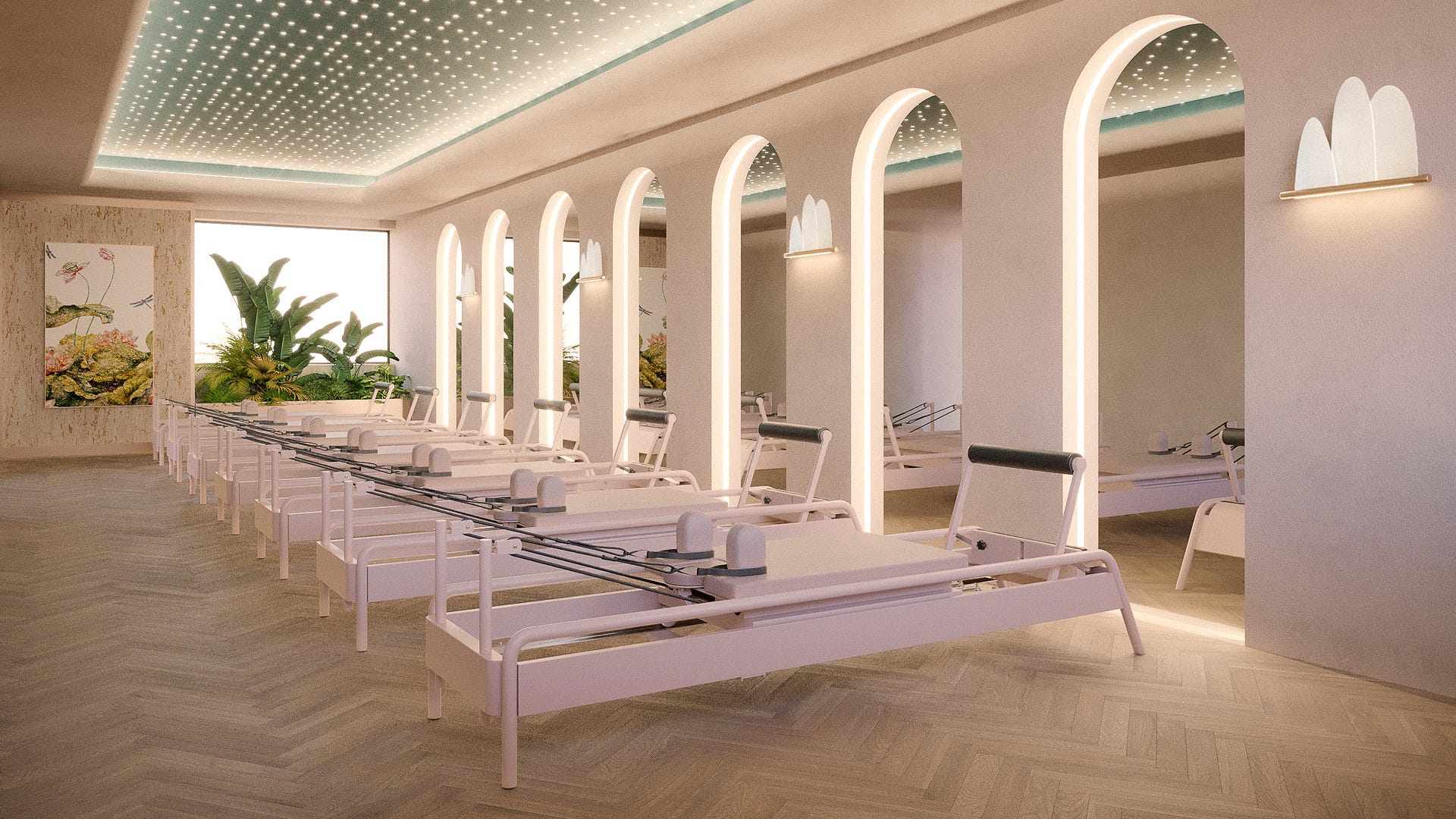
LERÉI opens on Brompton Road on 10 September, joining the wave of wellness-first members clubs washing over London, with one clear point of difference: no men. That a club should have to advertise this at all says something about where fitness has landed, since the Pilates and longevity boom has pulled in everyone, and the studios that were once female spaces by default no longer are. The bet here is simple enough: that a meaningful number of women would happily pay to train, recover and socialise somewhere built entirely for them, without an audience, and the early numbers suggest the bet is right: membership is capped at 150, and more than 60% of the places went before the doors opened.
Tiers start at £1,000 (about $1,350) per month, the interiors come from the Italian design house Visionnaire, and the programming stretches from Lagree and suspended movement through hydrothermal contrast, oxygen dome treatments and Japanese head spa rituals. At the more serious end sits a collaboration with the genomics specialist Dr Mansoor Mohammed, whose DNA testing shapes each member’s programme around her biology and stage of life. A limited number of founding memberships remain available by application.